
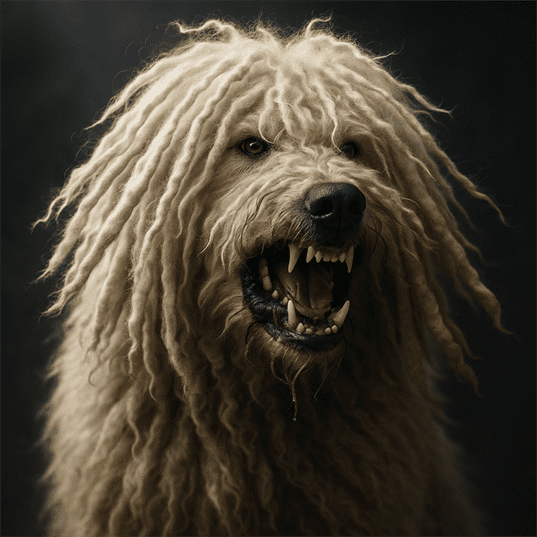
If you've ever seen a Komondor in person – that towering, white, mop-like figure with dreadlock-esque cords cascading down its body – you might mistake it for a walking shag rug. But don't let the fluffy facade fool you. Beneath those distinctive cords lies one of the most formidable livestock guardian dogs in the world: the Hungarian Komondor. Bred for centuries to protect sheep from wolves, bears, and bandits in the rugged plains of Hungary, this breed embodies three core traits that make it an unparalleled protector: protective instinct, ferocious courage, and aloof wariness toward strangers.
In this deep dive (around 1,000 words, promise!), we'll explore how these qualities define the Komondor, why they're both a blessing and a challenge for owners, and what it takes to live with such a vigilant companion. Whether you're considering adding one to your homestead or just fascinated by canine powerhouses, buckle up.
A Breed Forged in Protection: Historical Roots of Instinct
The Komondor's story begins in 7th-century Hungary, where nomadic Magyar tribes imported ancestors of the breed from Asia. Tasked with guarding vast flocks against predators, Komondor’s evolved into independent sentinels. Unlike herding dogs that nip at heels, these giants patrol silently, using their size (males often exceed 100 pounds and 27 inches at the shoulder) and acute senses to deter threats.
This protective nature is hardwired. Komondor’s bond deeply with their "flock" – that's you, your family, and any livestock or property they claim. They view their territory as sacred, patrolling perimeters at night with ghostly stealth thanks to their white coat blending into sheep. A study by the American Kennel Club (AKC) notes that livestock guardians like the Komondor reduce predator losses by up to 90% on farms, showcasing their efficacy.
In modern homes, this translates to unwavering family loyalty. They'll shadow children like fluffy bodyguards, intervening if a stranger approaches too closely. Owners report Komondor’s lying across doorways or between guests and kids, a subtle but firm "back off" signal. One farm owner in Texas shared on Reddit: "My Komondor, Zara, once stared down a coyote pack from 50 yards – no bark, just presence. The pack scattered."
But protection isn't passive. It's proactive vigilance, making them ideal for rural properties but potentially overwhelming in urban apartments.
Ferocious When Provoked: The Warrior Beneath the Cords
Call it ferocious, and you'd be spot-on – but only when duty demands. Komondor’s aren't mindless aggressors; they're calculated warriors. Their ferocity shines against perceived threats, drawing from a lineage that faced bears and wolves head-on.
Physically, they're built for battle: massive heads, powerful jaws, and those cords act as armor, tangling attackers while protecting vital areas. The cords, formed by naturally matting fur (no grooming needed until maturity), can grow to 10 inches long, insulating against weather and bites. Historical accounts from Hungarian shepherds describe Komondor’s killing multiple wolves in single encounters.
Today, this ferocity manifests in home defense. The AKC temperament test rates them highly for courage, and bite statistics (thankfully rare due to deterrence) show they're capable of serious intervention. A 2022 incident in Hungary made headlines: a Komondor duo repelled armed intruders from a farm, sustaining minor injuries but saving the family.
For owners, this means socialization from puppyhood is crucial. Poorly trained Komondor’s can escalate minor intrusions into full confrontations. Trainer tips:
-
Early exposure: Introduce strangers in controlled settings from 8 weeks.
-
Obedience training: Commands like "stand down" prevent overreactions.
-
Exercise: Daily 2-hour patrols burn energy; idle Komondor’s get restless.
Ferocity isn't for show – it's a last resort, preceded by deep growls and unblinking stares that send most threats fleeing.
Aloof with Strangers: The Cool, Calculating Distrust
If protection is the mindset and ferocity the weapon, aloofness is the Komondor's social shield. Strangers? Met with suspicion. This isn't shyness; it's strategic detachment. Komondor’s assess outsiders from afar, rarely approaching unless invited by their humans.
Why so standoffish? Evolution. Blending with sheep meant avoiding human interference, fostering independence. They're not "velcro dogs" like Labs; they work solo. The Fédération Cynologique Internationale (FCI) standard praises their "reserved with strangers" demeanor, scoring low on friendliness tests compared to companion breeds.
In practice, expect:
-
No tail-wags for guests: A polite ignore or watchful eye.
-
Barking patrols: Loud alarms for unknowns, silencing once cleared.
-
Selective affection: Loyal to family, but new people earn trust slowly – sometimes never.
This aloofness shines in protection scenarios. During a home invasion attempt in California (per local news), a Komondor held position at the gate, barking ferociously until police arrived, never engaging unnecessarily.
Challenges? Family gatherings require leashing or separate spaces. Kids' playdates? Supervise closely. Positive reinforcement helps: Treats for calm greetings build tolerance.
|
Trait |
Pros |
Cons |
Management Tips |
|---|---|---|---|
|
Protective |
Ultimate family safeguard; low-maintenance guardian |
Overly vigilant in suburbs |
Designate "safe zones" |
|
Ferocious |
Deters predators/criminals effectively |
Potential liability if untrained |
Professional training mandatory |
|
Aloof |
Reduces unwanted interactions |
Intimidates visitors |
Socialization classes from puppyhood |
Living with a Komondor: Rewards and Realities
Owning a Komondor isn't for the faint-hearted. They thrive on large properties (1+ acres ideal), need minimal grooming (cords self-clean with rinses), and live 10-12 years. Health concerns: hip dysplasia, bloat – standard giant-breed fare.
The rewards? Unmatched security and devotion. Families with livestock or remote homes rave about their peace of mind. One Oregon rancher told me: "My Komondor, Titan, is aloof to delivery guys but ferocious to real threats. He's family."
In conclusion, the Komondor's protective prowess, ferocious might, and stranger aloofness make it a living fortress. Not a pet for casual owners, but for those needing a steadfast sentinel, it's perfection. Research breeders (aim for working lines), commit to training, and embrace the cords. Your "flock" will thank you.