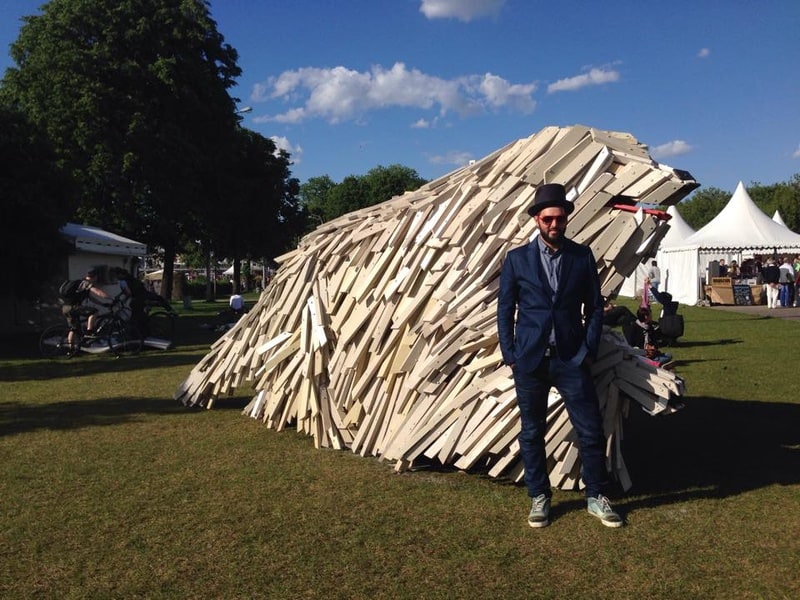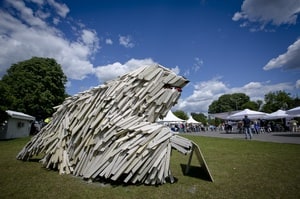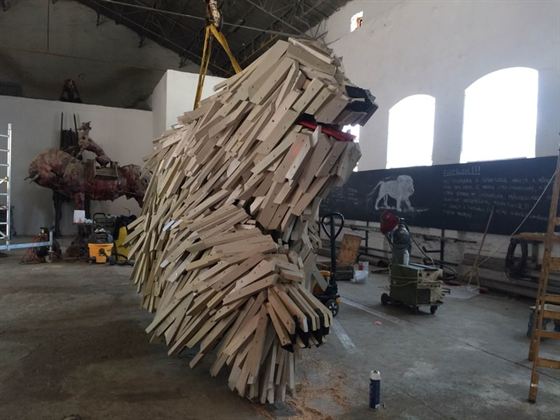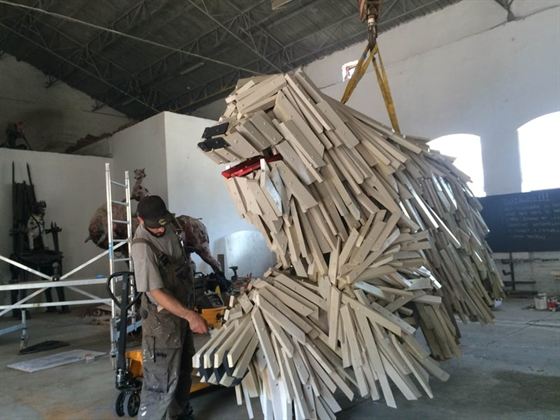
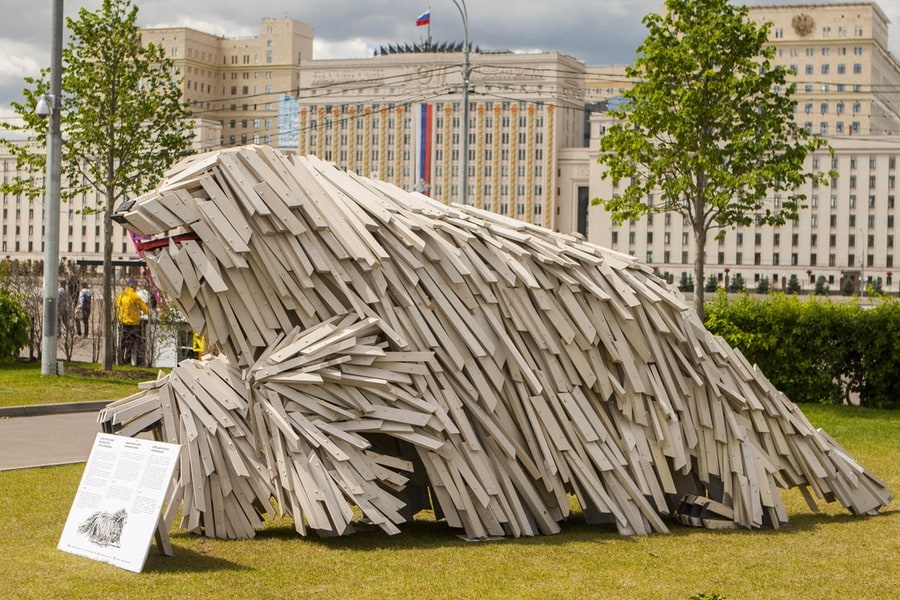
Gábor Miklós Szőke, a celebrated Hungarian sculptor known for his monumental works blending classical aesthetics with contemporary themes, has unveiled his third public sculpture in Russia: “Komondor Power.” This striking installation celebrates the Hungarian Komondor breed, a symbol of national pride and resilience, while fostering cross-cultural dialogue between Hungary and Russia.
Artist Background: Bridging Nature and Humanity
Gábor Miklós Szőke has gained international acclaim for his large-scale sculptures that often highlight animals as metaphors for human virtues. His previous works in Russia—though exact titles and locations remain unspecified in public records—reportedly explored themes of coexistence between nature and civilization. Szőke’s signature style combines polished metals, dynamic poses, and intricate detailing to evoke both strength and grace.
The Sculpture: Design and Symbolism
“Komondor Power” features a life-sized Komondor in a poised, protective stance, its iconic shaggy coat rendered in gleaming stainless steel. The sculpture captures the breed’s alert ears and imposing presence, emphasizing its historical role as a guardian of Hungarian flocks. The title underscores themes of vigilance, loyalty, and endurance, resonating with contemporary discussions on resilience in the face of adversity.
- Material and Technique: Constructed from weather-resistant stainless steel, the work is designed to withstand outdoor elements while maintaining a reflective, almost organic surface.
- Symbolic Elements: The Komondor’s upright posture and focused gaze symbolize protection, while its textured “coat” alludes to the breed’s rugged adaptability.
Location and Public Display
The sculpture was recently installed in Moscow, Russia, at location of Gorky Park. Positioned in a high-traffic public space—such as Gorky Park—it aims to engage both local and international audiences. An unveiling ceremony reportedly drew attention from Hungarian and Russian cultural officials, highlighting the project’s diplomatic significance.
Cultural and Diplomatic Significance
The Komondor, recognized as Hungary’s national dog since the 16th century, serves as a potent symbol of Hungarian heritage. By placing this sculpture in Russia, Szőke and his collaborators reinforce historical and contemporary ties between the two nations. The work subtly nods to shared values of guardianship and communal strength, fostering mutual appreciation in an era of global interconnectedness.
Reception and Impact
Initial reactions to “Komondor Power” have been overwhelmingly positive. Russian media praised its artistic craftsmanship, while Hungarian audiences celebrated its tribute to national identity. The sculpture is expected to become a cultural landmark, attracting tourists and sparking educational initiatives about the Komondor’s role in Hungarian history. Critics have also highlighted its relevance to modern themes of resilience, particularly in post-pandemic and geopolitical contexts.
Conclusion: Art as a Universal Language
Gábor Miklós Szőke’s “Komondor Power” exemplifies how public art can transcend borders, merging local heritage with global themes. As his third contribution to Russia, the work cements Szőke’s reputation as a bridge-builder between cultures. By immortalizing the Komondor’s spirit, the sculpture invites viewers to reflect on protection, endurance, and the shared stories that unite humanity.