
A Breed Forged in the Carpathians
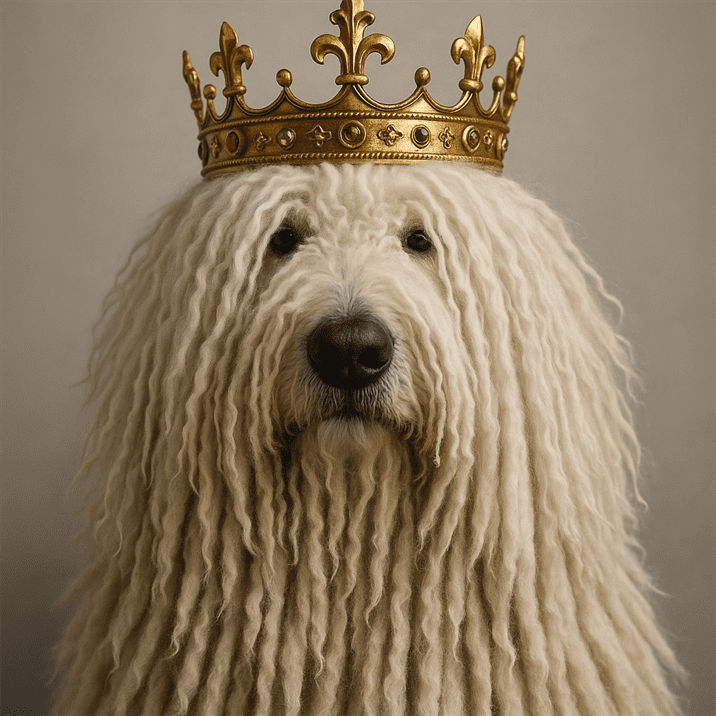
The Komondor stands as one of the oldest and most distinctive dog breeds in existence, with origins stretching back over 1,000 years to the Hungarian plains. This magnificent breed, easily recognized by its massive size and dramatic white corded coat, was developed not in palaces or kennels, but on the windswept puszta of Hungary where nomadic shepherds required a steadfast protector for their flocks.
The Magyars and Their Mighty Guardians
The ancestors of the modern Komondor arrived with the Magyar tribes during their migration into the Carpathian Basin around 895 AD. These fierce nomads brought with them livestock—primarily sheep—and the pressing need to protect these valuable animals from predators including wolves, bears, and lynx that inhabited the surrounding forests and mountains.
The solution was the Komondor, a dog specifically bred for one primary purpose: guardian. Unlike herding breeds that move sheep from place to place, the Komondor’s role was stationary and defensive. These dogs lived among the flocks continuously, sleeping during the day and vigilant through the night, their keen senses and imposing presence deterring any predator foolish enough to approach.
Purpose-Driven Development
Hungarian shepherds selected breeding stock with deliberate intention over centuries, prioritizing characteristics essential to their work. Size mattered enormously—a Komondor male can reach 100 pounds or more, creating an intimidating physical barrier against predators. The distinctive white coat served a dual purpose: it distinguished the guardian from wolves, which the shepherds could easily identify in the darkness, and it allowed the dog to blend visually with the sheep they protected, enabling them to ambush approaching threats.
The corded coat itself evolved as a practical adaptation to the harsh Hungarian climate. The thick, felt-like cords provide exceptional insulation against both bitter winter cold and scorching summer heat. The coat is naturally oiled and water-resistant, protecting the dog from rain, snow, and the bites of parasites. When a wolf attacked, the loose skin and thick coat provided physical protection against teeth and claws.
An Independent Mind
Perhaps no characteristic proves more essential to the Komondor’s success as a guardian than their independent temperament. These dogs were required to make decisions autonomously, evaluating threats and responding appropriately without waiting for human direction. This intelligence and self-reliance persists in the breed today, presenting both advantages and challenges for modern owners.
A Komondor does not blindly obey commands. They think, they evaluate, and they act according to their own assessment of the situation. For an ancient shepherd relying on his dogs to protect valuable livestock throughout the night, this independent judgment was invaluable. For a modern owner expecting eager compliance, it can be frustrating.
Preservation Through the Centuries
The Komondor survived the centuries largely unchanged, serving generation after generation of Hungarian shepherds with distinction. The breed’s purity was maintained through geographic isolation and the practical needs of rural communities who depended on their dogs’ abilities. Unlike breeds developed for aristocracy or show, the Komondor remained a working animal first and foremost, valued for function over form.
By the early 20th century, as Hungary modernized and predator populations declined, the breed’s numbers began to decrease. However, breed enthusiasts worked to preserve the Komondor’s essential characteristics, establishing standards and breeding programs that would ensure the breed’s survival into the modern era.
The Breed Spreads Its Cords
The first Komondors arrived in the United States in 1962, brought by breeders who recognized the breed’s unique qualities and wanted to introduce them to a new audience. The American Kennel Club officially recognized the Komondor in 1967, and the breed gradually established a presence in North America, though it remains one of the rarer large breeds.
Today, the Komondor serves various roles worldwide. Some continue the ancient tradition of livestock guarding on farms and ranches. Others have found purpose as property guardians and beloved family companions. A dedicated community of breeders and enthusiasts ensures that the breed’s essential characteristics—the independent spirit, the protective instinct, the magnificent corded coat—continue into the future.
A Living Heritage
When one observes a Komondor today, looking into those thoughtful, watchful eyes beneath the dramatic curtain of white cords, one is glimpsing a link to the medieval Hungarian plains. These dogs carried the same form, served the same purpose, and possessed the same proud, independent spirit as their ancestors who protected the flocks of Magyar shepherds a millennium ago.
The Komondor is more than a breed. It is a living artifact, a testament to the enduring partnership between humans and dogs, and a reminder that some things—like a good guardian—remain worth preserving across the countless changes of time.