
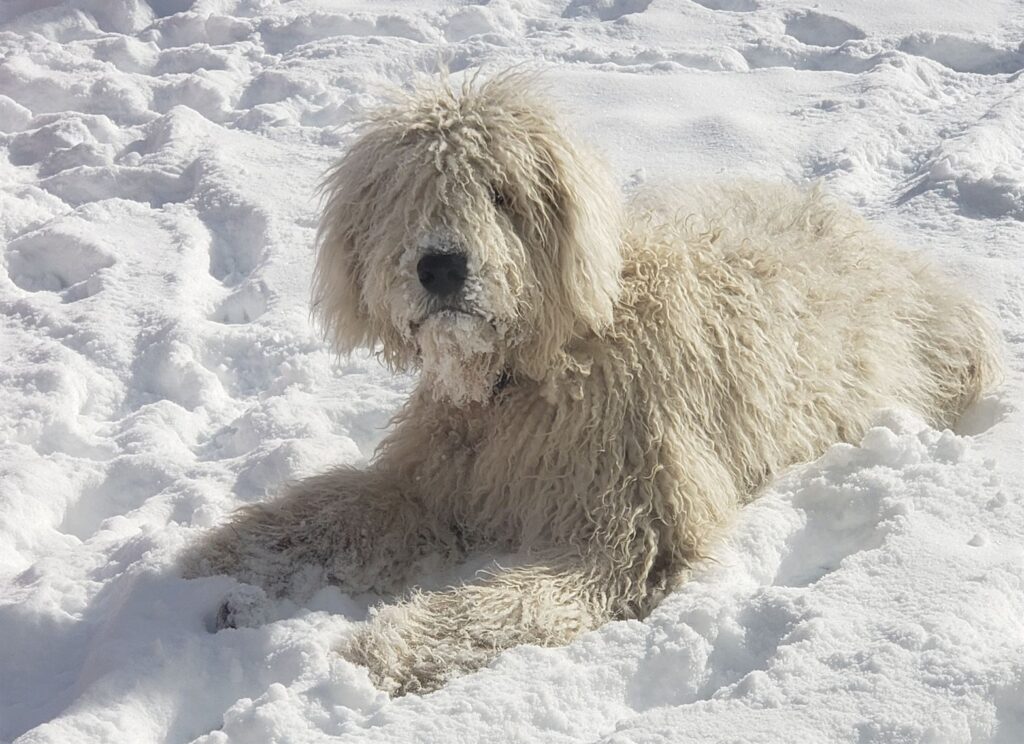
Choosing the right dog collar is essential for your furry friend’s safety, comfort, and training needs. Collars aren’t one-size-fits-all—different types serve specific purposes, from everyday walks to specialized training. With options ranging from simple buckles to advanced designs, understanding the varieties helps you make an informed purchase. In this post, we’ll explore the most common types available, their pros and cons, and tips for selection.
1. Flat Buckle Collars
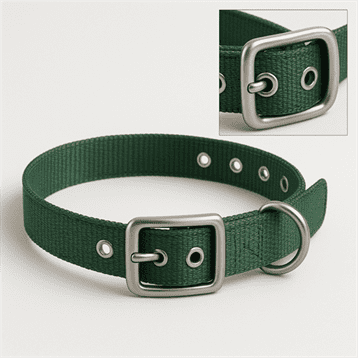
The classic choice, flat buckle collars (also called flat collars) are made from nylon, leather, or polyester. They feature a quick-release buckle for easy on/off.
- Pros: Affordable, durable, comfortable for daily wear; available in adjustable sizes with ID tags.
- Cons: Can slip off strong pullers; not ideal for training reactive dogs.
- Best for: Everyday use, small to medium breeds, or calm walkers.
These are widely available online or in pet stores for $5–$30.
2. Martingale Collars
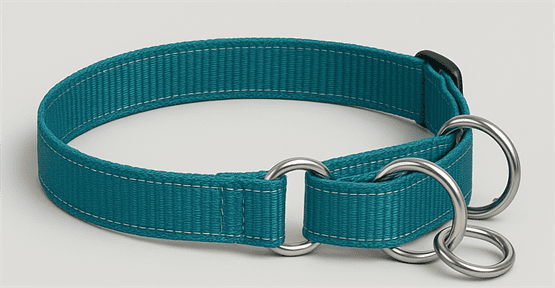
Designed for dogs with narrow heads (like Greyhounds), martingale collars have two loops: one for adjustment and a control loop that tightens slightly when pulled, preventing escapes without choking.
- Pros: Humane tightening limits pressure to the neck; great for pullers.
- Cons: Must fit properly to avoid over-tightening; not for constant wear.
- Best for: Escape artists or leashed walks.
Priced $10–$25, they’re a step up in safety.
3. Slip Collars (Choke Chains)
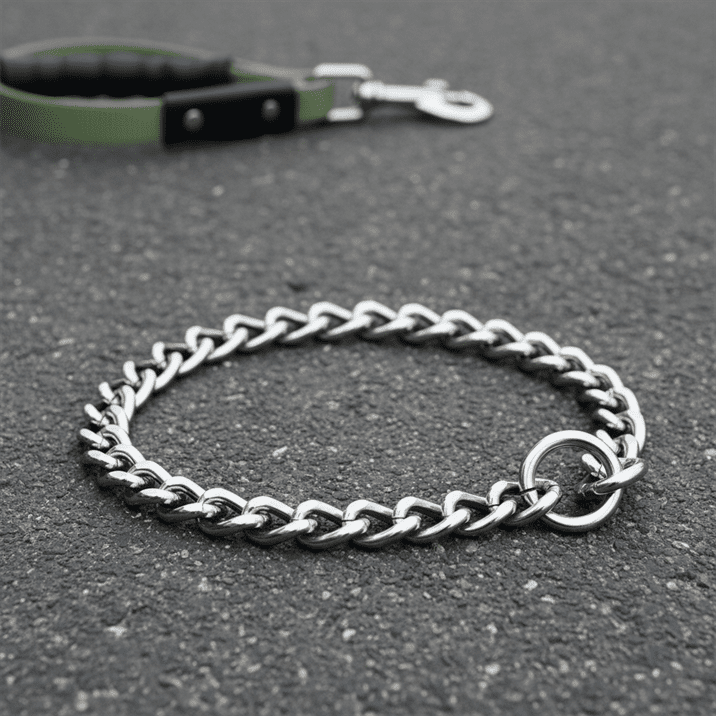
Slip collars, often metal chains, tighten around the neck when pulled and loosen when slack. They’re a traditional training tool.
- Pros: Effective for quick corrections in training.
- Cons: Risk of injury if misused (tracheal damage); not for unsupervised wear.
- Best for: Professional training sessions only; avoid for puppies or brachycephalic breeds.
Use cautiously—experts recommend alternatives. Cost: $5–$20.
4. Prong (Pinch) Collars
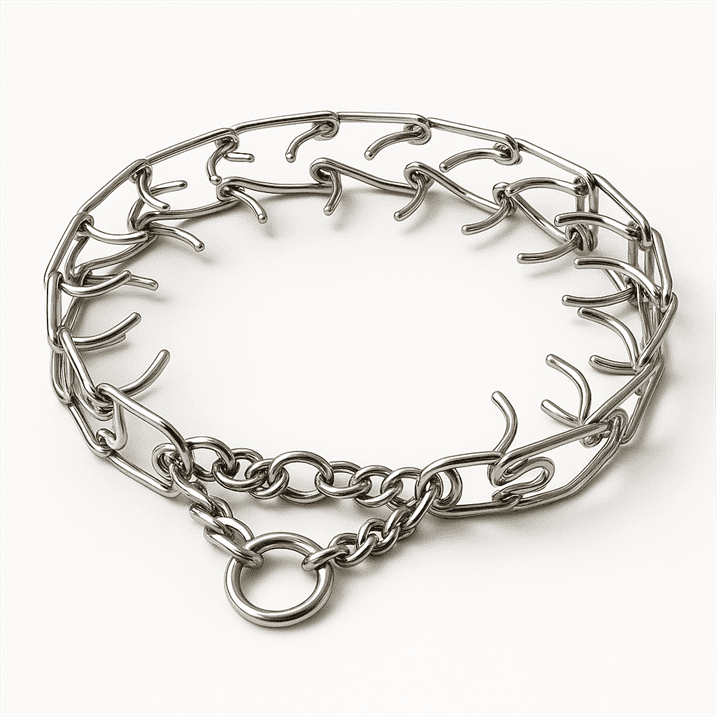
Featuring metal prongs that pinch the neck loosely, prong collars distribute pressure evenly for corrections.
- Pros: Less force needed than chokes; useful for strong pullers.
- Cons: Can cause pain or punctures if yanked; controversial and banned in some areas.
- Best for: Experienced handlers training large breeds.
Around $20–$40; always pair with positive reinforcement.
5. Head Halters (e.g., Gentle Leader)
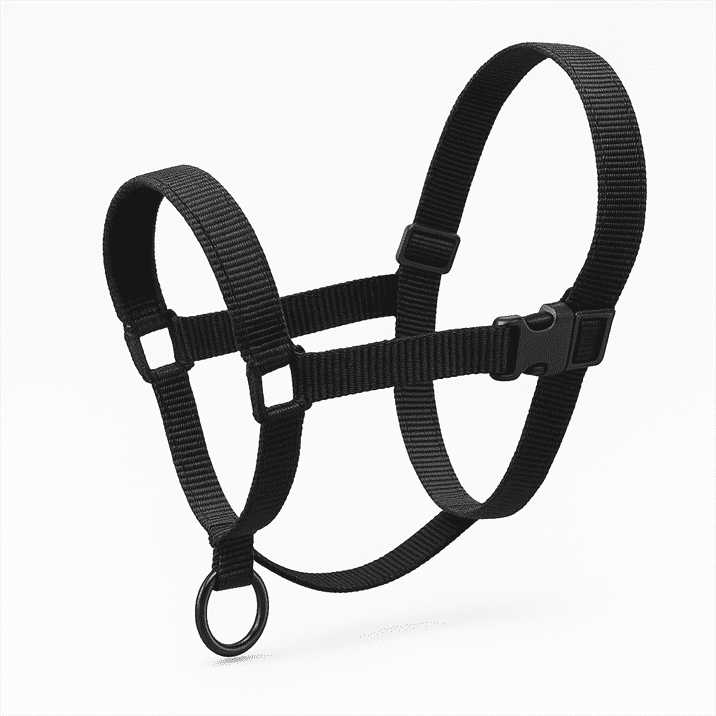
Not a traditional collar, head halters loop around the muzzle and behind ears, redirecting the nose like a horse halter.
- Pros: Reduces pulling by controlling the head; comfortable for many dogs.
- Cons: Dogs may paw at it initially; resembles a muzzle, causing stigma.
- Best for: Strong pullers or reactive dogs on walks.
$15–$30; introduce gradually.
6. Specialty Collars
- Breakaway collars: Snap open under pressure for safety (ideal for cats but useful for dogs playing alone).
- Reflective or LED collars: Visibility for night walks.
- Custom or designer collars: Personalized with embroidery or luxury materials.
Choosing the Right Collar: Key Tips
Measure your dog’s neck (add 2 fingers’ width for fit). Prioritize comfort—avoid anything causing choke or rub. Consult a vet or trainer, especially for aversive tools like prongs, as positive methods (harnesses, treats) are increasingly favored. Harnesses are excellent no-pull alternatives for back-sensitive dogs.
Ultimately, the best collar matches your dog’s size, behavior, and lifestyle. Invest in quality to ensure years of safe adventures. Happy walking!