
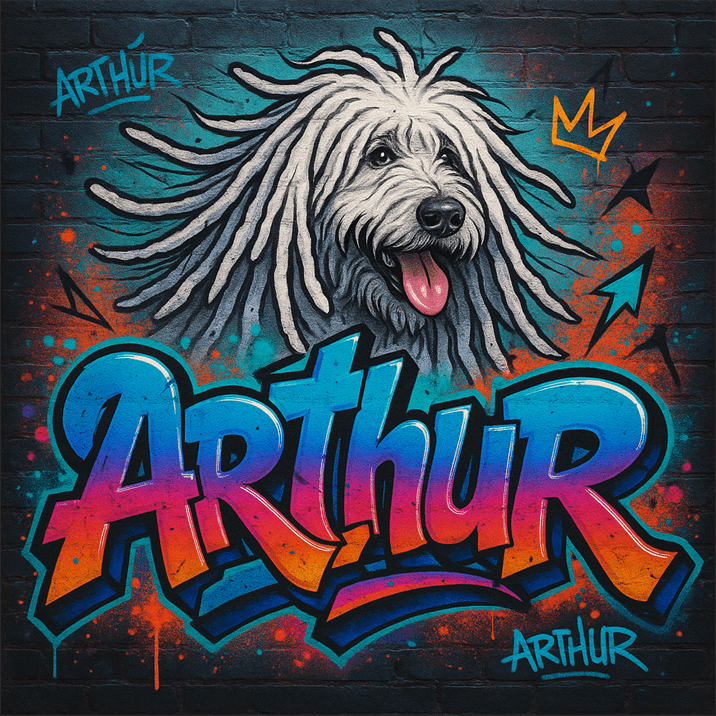
The Komondor, Hungary's iconic "mop dog," is a sight to behold with its massive, corded coat resembling a walking sheepskin rug. This ancient livestock guardian breed, dating back over 1,000 years, has protected Hungarian herds from predators like wolves and bears. Standing 25-27 inches tall and weighing 80-120 pounds, Komondors turn heads—and spark myths. Their unusual appearance and protective nature fuel misconceptions. Let's separate fact from fiction.
Myth 1: Komondors Are Aggressive Attack Dogs
Reality: Komondors aren't mindless aggressors; they're devoted family guardians. Bred to bond intensely with their "flock" (that's you and your loved ones), they view strangers with suspicion but rarely attack unprovoked. Proper socialization from puppyhood ensures they're calm and discerning. The American Kennel Club describes them as "gentle with family, vigilant with intruders." Aggression stems from poor training, not genetics—think of them as loyal sentinels, not Rottweiler wannabes.
Myth 2: Their Coat Requires Constant, Expensive Grooming
Reality: Far from high-maintenance, a mature Komondor's dreadlock-like cords are low-effort once formed (around 2-3 years old). No brushing needed—the coat naturally mats into waterproof cords that shed dirt when dry, like a goat's hair. Weekly baths with dog shampoo, followed by thorough drying (use fans or low-heat blow dryers), keep them clean. Trimming cords every 6-8 months prevents matting at the skin. Owners report less grooming time than many short-haired breeds. Pro tip: Puppies need daily combing to start cords right.
Myth 3: Komondor's Shed Fur Everywhere
Reality: Minimal shedding is a hallmark. The dense undercoat traps dead hair within cords, preventing it from flying around your home. Unlike double-coated breeds like Huskies, Komondors are practically hypoallergenic for allergy sufferers (though no dog is fully so). Regular cord separation releases trapped debris outside, keeping interiors fur-free.
Myth 4: They're Lazy Couch Potatoes
Reality: Don't be fooled by their fluffy, laid-back vibe—Komondors are high-energy working dogs needing 1-2 hours of daily exercise, ideally with a "job" like patrolling a yard or herding. They're independent thinkers, thriving on ranches or large properties, not tiny apartments. Mental stimulation via obedience training or puzzle toys prevents boredom-induced mischief.
Myth 5: Komondors Are Terrible with Children or Other Pets
Reality: When raised with kids and animals, they're patient giants—think gentle giants like Old English Sheepdogs. Their protective instincts make them excellent family watchdogs, but supervise interactions due to their size; a playful bump can topple toddlers. Early exposure ensures harmony with cats or livestock.
In truth, Komondors suit experienced owners with space and time for their guardian lifestyle. Rescuing one? Many adults adapt beautifully. Research breeders via the Komondor Club of America, prioritize health testing for hip dysplasia and heart issues, and commit to their unique needs. Dispel the myths, embrace the reality, and you might just find your shaggy soulmate.