Komondor: The Hungarian Guardian
The Komondor is a large, majestic shepherd dog from Hungary, instantly recognizable by its long, corded coat that resembles dreadlocks. Bred for centuries to protect flocks from wolves and bears, the breed combines a powerful physique with a calm, watchful demeanor. Today, the Komondor remains a respected guardian, a loyal family companion, and a striking presence wherever it goes.
History & Purpose
- Origin – The Komondor’s ancestors arrived in Hungary with migrating nomadic peoples around the 9th century. Over generations, selective breeding produced a dog capable of withstanding harsh weather, enduring long hours on the move, and boldly confronting predators.
- Role – Traditionally, the Komondor guarded sheep and cattle, working independently of its handler. Its coat served a dual purpose: insulation against cold/heat and camouflage among the flock.
- World War II – The link between Komondor’s and their near extinction and World War II is well documented. During WW II when German soldiers, realizing the Komondor’s as fierce protectors, often shot these guardians to gain access to farms, devastating the breed population. The Komondor would guard its family and domain fiercely, often giving its own life to protect its family. As such, the Nazi soldiers found that their pillaging of Hungary would meet much less risk and resistance if they were to shoot all Komondor’s immediately on sight. Only a few dozen Komondor's survived the war in Hungary, leading to an immediate post-war recovery effort by dedicated Hungarian enthusiasts.
- United States – The Komondor’s history in the U.S. can be traced through a few notable importations documented in the Hungarian Kennel Club archives and later published in American breeder newsletters. Early U.S. lines often faced challenges adapting to the climate, but careful breeding stabilized the temperament and coat durability. Today, the breed enjoys a niche reputation as a loyal guard dog and an unconventional family pet, celebrated for its iconic “mop” look and steadfast loyalty.
- Recognition – The breed was officially recognized by the American Kennel Club (AKC) in 1937 and remains a symbol of Hungarian heritage. The Komondor is a rare breed with a global population estimated to be well under 10,000 dogs.
Physical Characteristics
| Feature | Description |
|---|---|
| Height | Males: 27½–30 in (70–76 cm); Females: 25½–28 in (65–70 cm) |
| Weight | Males: 100–120+ lb (45–54 kg); Females: 80–100 lb (36–45 kg) |
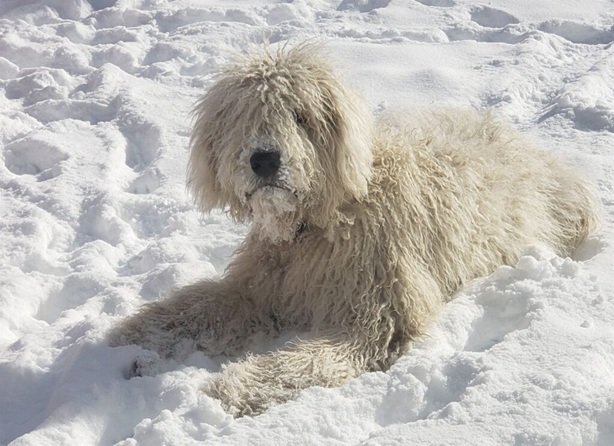
| Coat | Profuse, white, naturally forming soft, rope‑like cords. The undercoat is dense and water‑resistant. |
| Color | Solid white; minor shades of ivory are acceptable. Solid black nose. |
| Lifespan | 10–12 years on average. |
The breed’s “dreadlocks” are not a grooming choice; they develop naturally from the combination of a soft undercoat and a coarse outer coat. The cords protect the skin from bites and weather, and they continue to grow throughout the dog’s life.
Temperament & Personality
- Protective Instinct – The Komondor is a natural guardian, wary of strangers and quick to alert its family to anything unusual. Early socialization is essential to distinguish between a real threat and a harmless visitor.
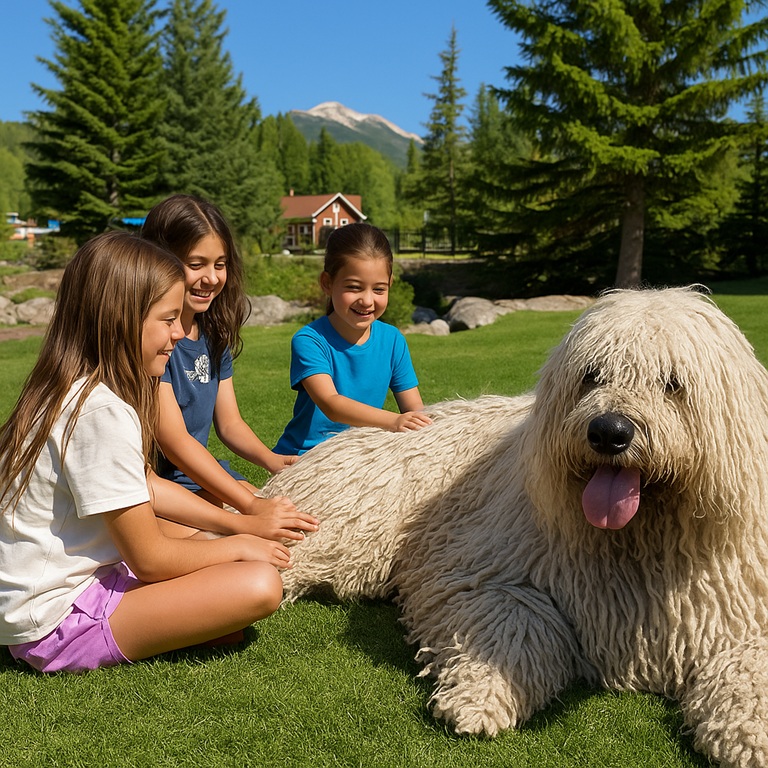
- Gentle with Family – Despite its imposing appearance, the breed is known for a gentle, affectionate side with its own people, especially children. It forms strong bonds and can be surprisingly tender.
- Independence – Bred to make decisions without human direction, the Komondor can be headstrong. Consistent, firm training works best; harsh methods are counterproductive.
- Calm & Confident – The dog typically displays a quiet confidence rather than excessive exuberance. It does not require hours of vigorous exercise but does need mental stimulation and a sense of purpose.
Care & Grooming
- Coat Maintenance – The cords must be kept clean and dry to prevent matting and skin issues. Brushing is discouraged; instead, the coat is periodically separated by hand and washed with a mild, dog‑safe shampoo. Drying can take several hours, and many owners use a low‑heat dryer or a fan. The veterinarian says my hair weighs around 22 pounds or 10 kilograms and is comprised of over 2000 individuals cords or “dreadlocks”. We have found that using a Rigid 16-gallon Shop-Vac vacuum to suck the moisture from the cords is fast, efficient, and Arthur loves it!!!
- Exercise – A daily walk of 30–45 minutes plus a secure yard for roaming satisfies most Komondors. They are not suited for apartment life.
- Health – Generally robust, but like many large breeds, they can be prone to hip dysplasia, bloat, and eye conditions. Regular veterinary check‑ups and a balanced diet are crucial.
- Feeding – A high‑quality diet appropriate for a large, active breed supports the coat and overall health. Arthur prefers lamb based foods. Portion control helps prevent obesity, which can stress joints.
Living with a Komondor
- Ideal Owner – The Komondor thrives with an experienced dog owner who understands guardian breeds. A home with space, a clear role (e.g., property protection), and patience for grooming is ideal.
- Family Integration – When properly socialized, the breed is loyal and protective of children. However, its size and strength mean interactions with very small kids should be supervised.
- Training – Use positive reinforcement, consistency, and early obedience classes. The dog’s independent nature can make it seem stubborn, but clear boundaries and leadership yield a well‑mannered companion.
- Security – The Komondor’s presence alone is a deterrent. Its deep bark and imposing silhouette make it an excellent watchdog, though it is not a trained attack dog.
Summary
The Komondor is a living relic of Hungarian pastoral life—a dog whose striking, corded coat is matched by a courageous, loyal heart. With proper socialization, consistent training, and dedicated grooming, it can be a devoted guardian and a gentle family member. For those prepared to meet its unique needs, the Komondor offers a rare blend of history, beauty, and unwavering protection.